
Teeth Sensitivity Explained: Causes, Treatments, and When to See Your Dentist

Sensitivity can range from a minor annoyance to a sign that something needs attention — knowing the difference matters.
What Is Tooth Sensitivity?
Tooth sensitivity — clinically known as dentine hypersensitivity — occurs when the inner layer of your tooth (dentine) becomes exposed. Dentine contains thousands of tiny tubules that lead directly to the nerve of the tooth. When these tubules are exposed to temperature changes, sweet or acidic foods, or even air, they transmit signals to the nerve, causing that characteristic sharp pain.
Sensitivity can affect one tooth or several, and it may come and go depending on what triggers it. While it is often temporary and manageable at home, it can also be a warning sign of an underlying dental issue that requires professional attention.
Common Causes of Tooth Sensitivity
Sensitivity rarely appears without a reason. Understanding the root cause is the first step toward finding an effective solution.
Acidic foods and drinks — such as soft drinks, citrus, and wine — gradually wear down enamel, exposing the sensitive dentine beneath.
When gums pull back from the tooth, the root surface — which has no enamel protection — becomes exposed. This is one of the most common causes of sensitivity in adults.
Using a hard-bristled brush or applying excessive pressure gradually wears away enamel and contributes to gum recession over time.
Tooth decay can expose the inner layers of a tooth to temperature and pressure, causing sensitivity that tends to worsen without treatment.
Even hairline cracks can expose dentine and create sharp, localised sensitivity — particularly when biting down.
Grinding or clenching, often during sleep, wears enamel down significantly over time. An occlusal splint (night guard) is often recommended to protect against further damage.
Advanced gum disease causes gum recession and bone loss around teeth, leaving root surfaces unprotected and highly sensitive.
Temporary sensitivity after fillings, whitening, or a scale and clean is common and usually resolves within a few days to a couple of weeks.
Sensitivity is your tooth's way of telling you something has changed. It's worth listening — because the earlier you address it, the simpler the solution tends to be.
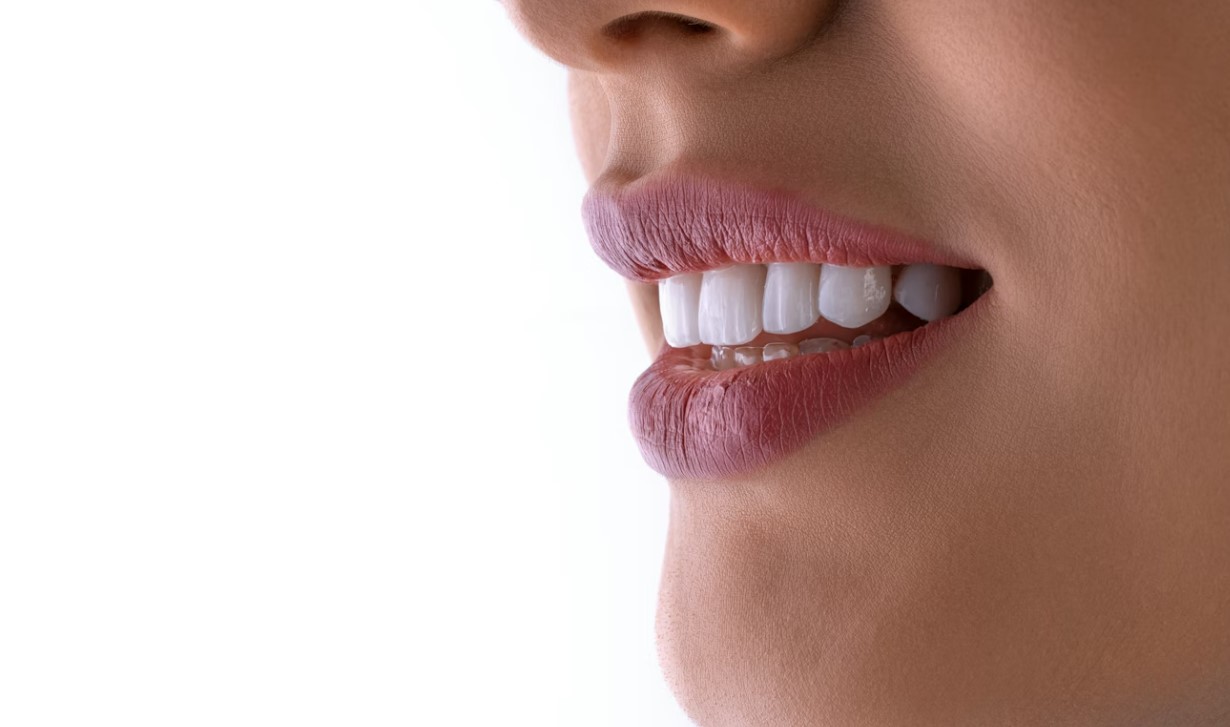
A quick assessment can pinpoint whether sensitivity is surface-level or a sign of something deeper.
Treatment Options for Sensitive Teeth
The right treatment depends entirely on what is causing the sensitivity. Some cases can be managed with simple changes at home; others require professional care to address the underlying issue.
At-Home Management
- Desensitising toothpaste — Contains compounds that block the tubules in dentine, gradually reducing sensitivity with consistent use over several weeks.
- Soft-bristled toothbrush — Switching from a medium or hard brush reduces enamel wear and gum trauma during brushing.
- Reducing acidic foods and drinks — Limiting soft drinks, citrus, and vinegar-based foods helps prevent further enamel erosion.
- Fluoride mouthwash — Regular use can help remineralise enamel and reduce sensitivity over time.
Professional Treatments at Soul Dental
- Fluoride application — In-chair fluoride treatments strengthen enamel and can significantly reduce sensitivity, particularly after a professional scale and clean.
- Dental bonding — A tooth-coloured resin is applied over exposed root surfaces or worn enamel to seal sensitive areas and restore the natural barrier.
- Fillings for decay — If sensitivity is caused by a cavity, a restoration (filling) will remove the decay and seal the tooth, relieving pain and preventing further damage.
- Gum treatment — Where recession has occurred due to gum disease, periodontal treatment addresses the underlying infection and can help stabilise the gumline.
- Occlusal splint — For patients who grind their teeth, a custom night guard protects enamel and prevents sensitivity from worsening over time.
- Crown or veneer — For severely worn or cracked teeth, a crown or veneer can provide full coverage and eliminate sensitivity by protecting the entire tooth surface.
The Link Between Sensitivity and Your Daily Habits
Many of the habits that contribute to tooth sensitivity are surprisingly common. Frequent consumption of acidic drinks, brushing too soon after eating, or using whitening products too aggressively can all wear enamel down gradually without you noticing — until the sensitivity sets in.
It is also worth knowing that some of the habits that commonly stain teeth — such as regular coffee, tea, and red wine consumption — are also acidic, meaning they can contribute to enamel erosion and sensitivity at the same time.
Making small adjustments — using a straw for acidic drinks, waiting 30 minutes to brush after meals, and staying hydrated — can go a long way toward reducing both sensitivity and staining over time.

With the right treatment and daily habits, most patients find lasting relief from tooth sensitivity.
When to See Your Dentist About Sensitivity
Not all sensitivity needs urgent attention — but some situations should prompt a visit sooner rather than later. This is also one of the reasons regular dental check-ups are so valuable: sensitivity that might seem minor to you can reveal early decay, cracking, or gum recession that is far easier to treat when caught early.
Sensitivity that is sudden, severe, or worsening over time — sensitivity to pressure as well as temperature — pain that lingers for more than 30 seconds after the trigger is removed — sensitivity in a single tooth only (often indicates a crack or cavity) — sensitivity accompanied by swelling, visible damage, or a bad taste — or sensitivity that persists for more than two weeks after recent dental treatment.
These signs suggest the sensitivity may be caused by something that requires professional diagnosis and treatment, rather than management at home alone. Leaving these issues untreated typically makes them more complex — and more expensive — to address later.
How Soul Dental Approaches Sensitive Teeth
At Soul Dental, we understand that sensitivity can significantly affect your quality of life — making it difficult to enjoy food and drink, or simply uncomfortable day to day. We take the time to identify the specific cause before recommending any treatment, so you receive care that actually addresses the root of the problem rather than masking symptoms.
Every patient's situation is different. Whether your sensitivity is related to enamel wear, a grinding habit, early gum recession, or something that needs closer investigation, Dr. Rita and her team will create a tailored plan to restore your comfort and protect your smile long term.
You shouldn't have to avoid your favourite foods or flinch at every cold drink. Tooth sensitivity is treatable — and the sooner it's assessed, the easier it is to resolve.
Protecting Your Teeth Going Forward
Once sensitivity is under control, the focus shifts to prevention. A consistent routine — twice-daily brushing with a soft brush and fluoride toothpaste, daily flossing, and a balanced diet that limits acid and sugar — forms the foundation of long-term protection.
Combined with regular professional care, these habits significantly reduce the likelihood of sensitivity returning and help keep your teeth strong, comfortable, and healthy for years to come.
Experiencing tooth sensitivity?
Book an assessment with Dr. Rita at Soul Dental, Varsity Lakes — and get back to enjoying every bite.