
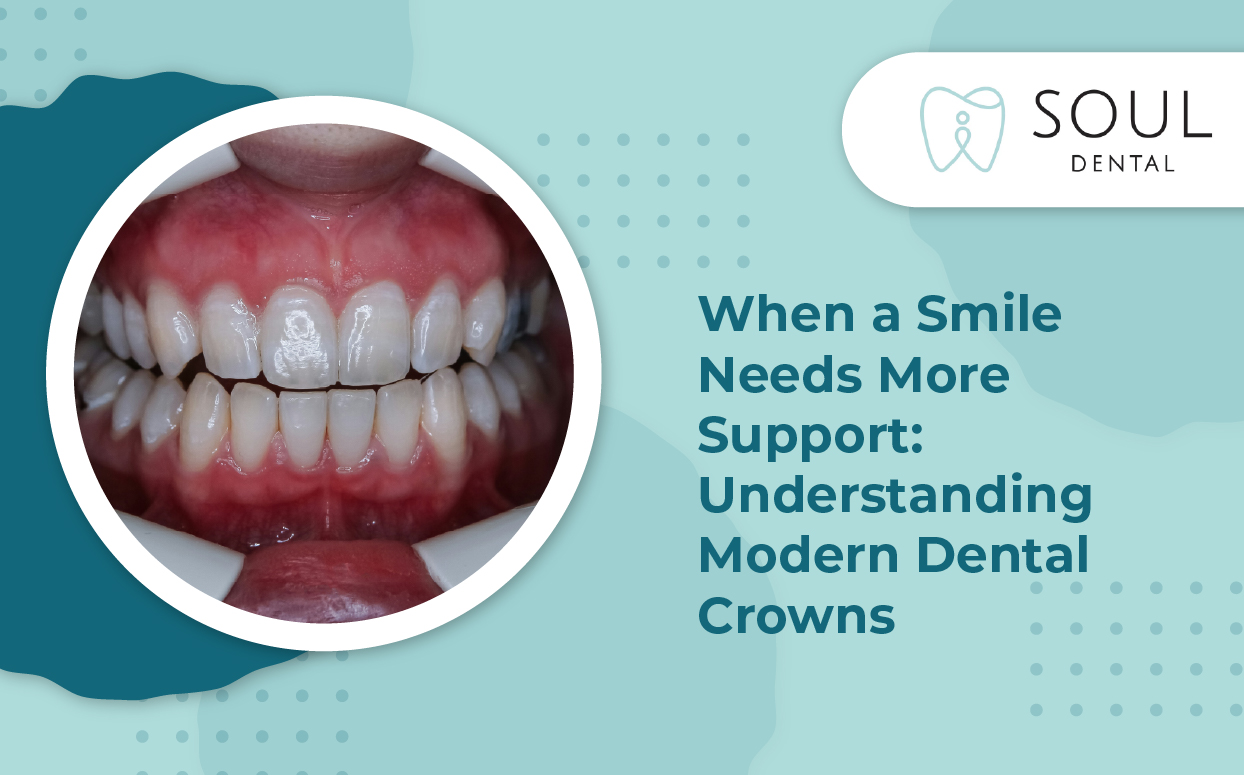
A healthy, confident smile is more than just aesthetics—it’s a reflection of your overall oral health. But sometimes teeth need extra support to maintain their strength, function, and appearance. Modern dental crowns are a common solution for damaged, weakened, or cosmetically imperfect teeth. Understanding what crowns are, how they work, and the options available can help you make informed decisions about your dental care. In this guide, we’ll explore the purpose of dental crowns, the materials used, the process for receiving one, and why they remain a cornerstone of restorative dentistry today.
What Is a Dental Crown?
A dental crown is a tooth-shaped cap that is placed over a tooth to restore its shape, size, strength, and appearance. Crowns fully encase the visible portion of a tooth above the gum line, providing protection while improving aesthetics. They are often used when a tooth has been compromised by decay, fracture, large fillings, or root canal treatment.
Crowns Gold Coast are also used in cosmetic dentistry to enhance the look of a tooth that is discoloured, misshapen, or worn down. By covering the natural tooth, a crown can provide long-lasting support and allow you to chew, speak, and smile confidently.
Why a Tooth Might Need a Crown
There are several reasons why a tooth may require a crown:
- Tooth Decay: Large cavities can weaken a tooth’s structure. A crown restores strength and prevents further damage.
- Cracked or Fractured Teeth: Trauma or biting down on hard foods can cause cracks. Crowns protect the tooth and reduce the risk of additional fractures.
- Root Canal Therapy: Teeth that have undergone root canal treatment are often more brittle and prone to breaking. Crowns provide essential support and prevent future issues.
- Worn or Eroded Teeth: Grinding, acid erosion, or general wear can compromise tooth integrity. Crowns restore both function and appearance.
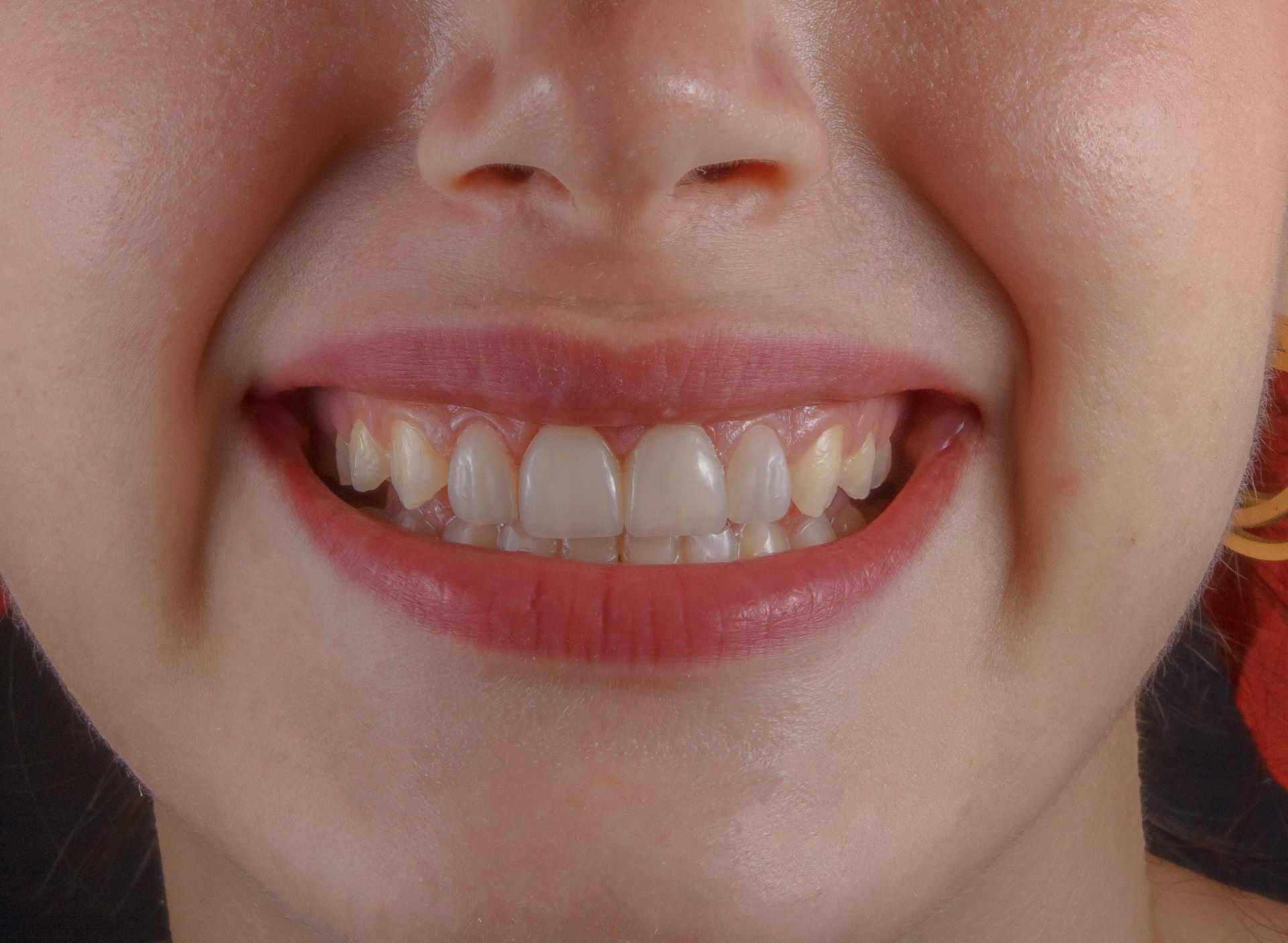
- Cosmetic Improvements: Crowns can correct discoloration, uneven spacing, or misshapen teeth, improving overall smile aesthetics.
By addressing these issues with a crown, dentists can extend the life of a tooth, prevent further complications, and maintain oral health.
Materials Used in Modern Dental Crowns
Modern dentistry offers several materials for crowns, each with its benefits and considerations. The choice depends on factors like location in the mouth, aesthetics, durability, and cost.
Porcelain or Ceramic Crowns
Porcelain and ceramic crowns are popular for front teeth due to their natural appearance. They can be matched to the colour of surrounding teeth, providing a seamless look. These materials are highly aesthetic but may be slightly less durable than metal-based options in high-bite areas.
Porcelain-Fused-to-Metal (PFM) Crowns
PFM crowns combine the strength of metal with the aesthetics of porcelain. The metal base provides structural support, while the porcelain exterior mimics the appearance of a natural tooth. They are durable and versatile, suitable for both front and back teeth.
Metal Crowns
Metal crowns, typically made from gold or other alloys, are incredibly durable and resistant to wear. They require minimal tooth removal and are less likely to fracture. While not as visually appealing as porcelain, they are an excellent choice for molars and teeth that endure heavy chewing forces.
Zirconia Crowns
Zirconia crowns have grown in popularity due to their strength and natural appearance. Zirconia is highly resistant to cracking, making it suitable for both front and back teeth. These crowns can also be colour-matched to adjacent teeth, offering a durable and aesthetically pleasing solution.
The Dental Crown Process
Getting a crown typically involves several steps, requiring careful planning and precision:
1. Initial Consultation
During the first appointment, your dentist assesses the tooth to determine if a crown is necessary. X-rays may be taken to check the roots, surrounding bone, and overall oral health. This consultation allows your dentist to discuss material options, costs, and expected outcomes.
2. Tooth Preparation
The tooth is prepared by removing any decay and shaping it to fit the crown. This may involve reducing the tooth size so the crown can sit comfortably without affecting your bite. Local anaesthetic is usually administered to ensure comfort throughout the procedure.
3. Impressions
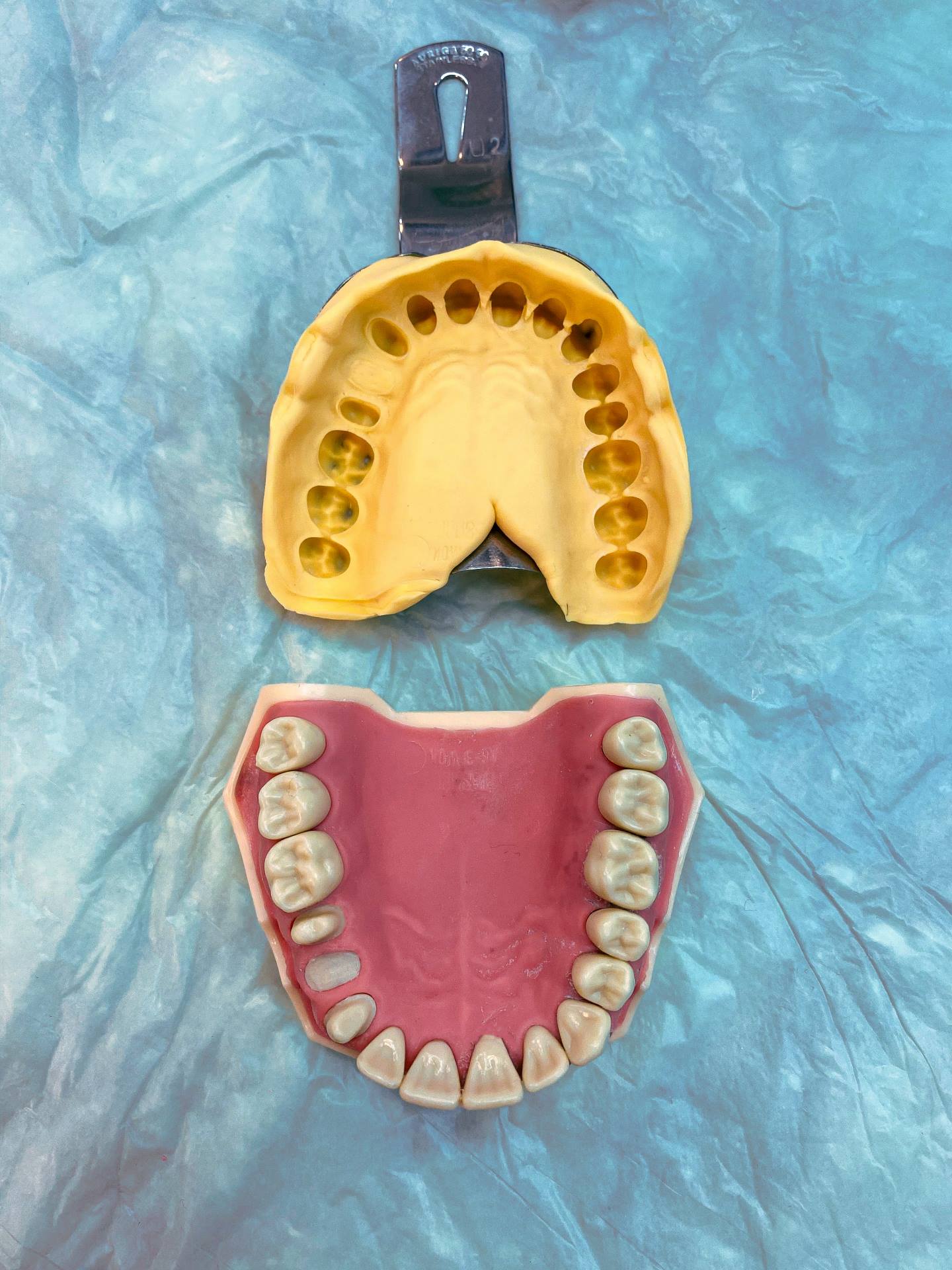
After preparation, an impression of the tooth is taken. This can be done using traditional moulds or digital scanning technology, which creates a precise 3D model of your tooth. The impression is sent to a dental lab, where the crown is custom-made to match your tooth’s shape, size, and colour.
4. Temporary Crown
While waiting for the permanent crown, a temporary crown is placed over the prepared tooth to protect it and maintain functionality. Temporary crowns are usually made of acrylic or composite materials and are not as durable as the final restoration.
5. Crown Placement
Once the permanent crown is ready, your dentist checks the fit, colour, and bite. Adjustments are made if necessary before permanently cementing the crown in place. With proper care, dental crowns can last many years, providing reliable support and improving oral function.
Caring for Your Crown
Although crowns are durable, proper care is essential to maintain their longevity and prevent complications:
- Oral Hygiene: Brush and floss regularly, paying special attention to the area where the crown meets the gum. This prevents plaque buildup and gum disease.
- Avoid Hard Foods: Chewing hard objects like ice or nuts can damage crowns.
- Regular Dental Visits: Routine check-ups allow your dentist to monitor the crown and surrounding teeth for any issues.
- Address Teeth Grinding: If you grind or clench your teeth, consider a night guard to protect crowns from excessive wear.
With the right care, modern dental crowns can function effectively for 10–15 years or longer.
Benefits of Modern Dental Crowns
Investing in a dental crown offers multiple benefits:
- Restored Function: Crowns restore chewing and speaking capabilities for damaged teeth.
- Enhanced Appearance: They improve smile aesthetics, colour, and tooth alignment.
- Structural Support: Crowns strengthen weakened teeth, preventing fractures and further decay.
- Long-Term Durability: Modern materials like zirconia and porcelain-fused-to-metal offer lasting performance.
- Comfort: Customised crowns provide a natural feel that blends seamlessly with your other teeth.
Crowns are a versatile solution that addresses both functional and cosmetic dental needs, making them an integral part of modern restorative dentistry.
Final Thoughts
Modern dental crowns are more than just cosmetic enhancements—they are critical tools in preserving dental health and restoring functionality to damaged teeth. Whether addressing decay, fractures, or aesthetic concerns, crowns provide strength, protection, and a natural-looking appearance. Choosing the right material and working with a professional dental team ensures precision, durability, and a smile you can be proud of.
Contact Soul Dental today to schedule a consultation and discover how a dental crown can enhance your smile and improve your oral health.