
Dental crowns are a common solution for restoring damaged, weakened, or aesthetically compromised teeth. Whether you’ve experienced a broken tooth, undergone a root canal, or simply want to improve the appearance of your smile, understanding the dental crown procedure can help reduce anxiety and prepare you for a smooth treatment experience. In this article, we explain the step-by-step process, from initial consultation to aftercare, so you know exactly what to expect.
Step 1: Initial Consultation and Assessment
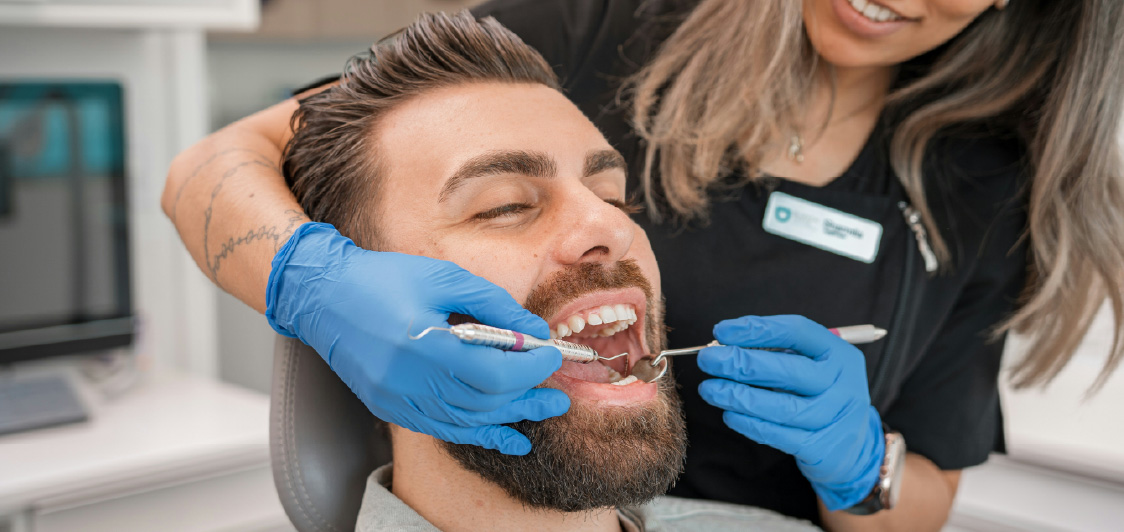
The dental crown journey begins with a consultation with your dentist. During this appointment, your dentist will:
- Examine your tooth and surrounding gums
- Take X-rays to assess the tooth root and bone structure
- Discuss your medical and dental history
- Explain the different crown options available (porcelain, ceramic, metal, or composite)
This assessment allows your dentist to determine if a crown is the best solution or if alternative treatments, such as fillings or veneers, might be more appropriate. The consultation is also an opportunity to discuss aesthetics, colour matching, and any concerns you may have.
Step 2: Tooth Preparation
Once a crown is decided upon, the next step is preparing the tooth. Tooth preparation involves reshaping the existing tooth to ensure the crown will fit properly. The procedure typically includes:
- Numbing the Tooth: Local anaesthetic is applied to ensure the procedure is comfortable.
- Removing Decay or Old Fillings: Any damaged or decayed areas are cleaned out.
- Shaping the Tooth: The dentist carefully trims and shapes the tooth to create enough space for the crown to fit snugly.
The preparation process is precise and may feel slightly different depending on the location of the tooth and the type of crown being used. For teeth that are heavily damaged or have undergone a root canal, a dental post may be inserted to provide additional support before the crown is placed.

Step 3: Taking Impressions
After the tooth is prepared, the dentist will take an impression of your tooth and surrounding teeth. This step is essential to ensure the crown fits perfectly and aligns with your bite. Impressions can be taken in two ways:
- Traditional Impressions: Using a putty-like material to create a mould of your teeth.
- Digital Impressions: Using a 3D scanner to capture a precise image of your tooth, which can then be sent directly to a dental laboratory.
The impressions are sent to a dental lab, where skilled technicians craft your custom crown. This process usually takes one to two weeks, depending on the material and complexity of the crown.
Step 4: Temporary Crown Placement
While waiting for the permanent crown, your dentist will fit a temporary crown to protect the prepared tooth. Temporary crowns are usually made from acrylic or composite materials and are designed to:
- Protect the tooth from damage or sensitivity
- Maintain proper spacing and alignment in your bite
- Allow you to eat and speak normally
Although temporary crowns are durable enough for short-term use, they should be treated with care. Avoid sticky or hard foods, and be mindful when brushing or flossing around the temporary crown.
Step 5: Receiving Your Permanent Crown
Once the permanent crown is ready, you’ll return to the dental clinic for placement. The procedure usually involves:
- Removing the Temporary Crown: The dentist carefully takes off the temporary crown without damaging the prepared tooth.
- Checking the Fit and Colour: The crown is placed over the tooth to ensure it fits correctly, feels comfortable, and matches the colour of your natural teeth. Adjustments can be made if necessary.
- Cementing the Crown: Once the fit and appearance are confirmed, the crown is permanently bonded to the tooth using dental cement.
At this stage, your dentist will check your bite and make any minor adjustments to ensure proper alignment. Once the crown is cemented, it functions just like a natural tooth, restoring both appearance and strength.
Step 6: Aftercare and Maintenance
Proper aftercare is essential to ensure the longevity of your dental crown. While crowns are durable, they still require good oral hygiene and regular dental check-ups. Key aftercare tips include:
- Brushing and Flossing: Treat your crowned tooth like any other tooth, using fluoride toothpaste and daily flossing.
- Avoid Hard or Sticky Foods: Chewing on ice, hard sweets, or sticky candies can damage or dislodge the crown.
- Regular Dental Visits: Routine check-ups help monitor the crown, underlying tooth, and surrounding gums for any issues.
Address Sensitivity or Discomfort: Mild sensitivity is normal after crown placement, but persistent pain, discomfort when biting, or a loose crown should be evaluated promptly by your dentist.
With proper care, most dental crowns can last 10–15 years or longer, making them a reliable long-term solution for tooth restoration.
Additional Considerations
When considering a dental crown, it’s important to discuss all options with your dentist. Crowns come in several materials, each with benefits and drawbacks:
- Porcelain or Ceramic Crowns: Offer excellent aesthetic results, ideal for front teeth, but can be less durable for heavy chewing.
- Metal Crowns: Very durable, less likely to chip, and ideal for molars; however, they are more noticeable.
- Porcelain-Fused-to-Metal (PFM) Crowns: Combine strength and aesthetics but may show a dark line at the gum line over time.
- Composite Crowns: Cost-effective and natural-looking but may wear down faster than other options.
Understanding the material, durability, and cost is an important part of planning your dental crown procedure.
When to Seek a Dental Crown
A dental crown may be recommended in several situations, including:
Restoring a tooth that is cracked, chipped, or worn
- Strengthening a tooth after a root canal
- Covering a large filling when insufficient tooth structure remains
- Improving the appearance of a discoloured or misshapen tooth
- Supporting a dental bridge
Crowns not only restore function but can also enhance the overall appearance of your smile, providing both aesthetic and practical benefits.
Final Thoughts
The dental crown procedure is a well-established and highly effective solution for damaged, weakened, or cosmetically imperfect teeth. From the initial consultation to aftercare, understanding each step can help reduce anxiety and ensure a smooth experience.
By preparing your tooth, taking accurate impressions, and using a high-quality crown material, your dentist can restore both the strength and appearance of your tooth. Proper maintenance, including daily hygiene and regular dental check-ups, ensures that your crown remains functional and long-lasting.
Dental crowns are more than just cosmetic enhancements—they are a long-term investment in your oral health and overall well-being. Knowing what to expect step by step empowers patients to make informed decisions and enjoy a confident, healthy smile for years to come.