
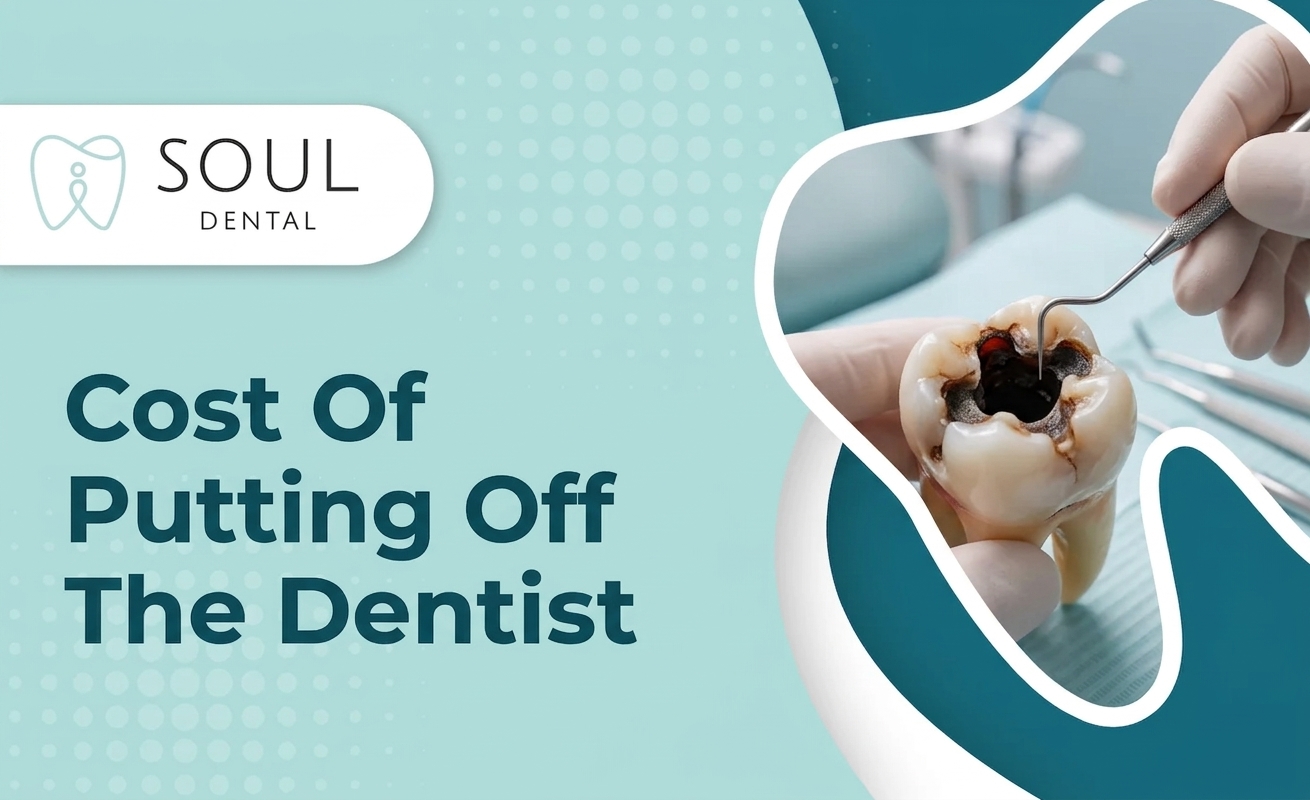
Putting Off the Dentist? Here's What It's Really Costing Your Smile
A small patch of decay or a hairline crack can sit quietly for months before it's ever noticed.
The Small Problem That Doesn't Stay Small
Dental issues rarely announce themselves loudly at first. A small patch of decay, a hairline crack in an old filling, or slightly tender gums can sit quietly for months without causing obvious pain. That quiet is deceptive. Underneath the surface, decay tends to keep spreading, and a compromised filling can allow bacteria to reach deeper into the tooth. By the time discomfort shows up, what could have been a straightforward, minor fix has often grown into something far more involved.
This is one of the main reasons dentists encourage regular check-ups rather than "waiting until it hurts." Pain is usually a late-stage signal, not an early warning system.
Why We Put It Off (and Why That's Understandable)
There's no judgement here — putting off a dental visit is one of the most common and understandable things patients do. For some, it's cost: a check-up feels like an expense that can be delayed when the budget is tight. For others, it's anxiety, a bad past experience, or simply the fact that a busy schedule always seems to have room for everything except the dentist.
The irony is that both of these concerns — cost and comfort — are usually better served by going in sooner rather than later. Early intervention is almost always the gentler and more affordable path, even though it doesn't always feel that way in the moment.
Pain is usually a late-stage signal, not an early warning system.
What Delaying Treatment Actually Costs You
When treatment is delayed, a few things tend to happen. First, the required treatment generally becomes more extensive. A cavity that could have been treated with a simple filling may progress to the point where root canal therapy or a crown is needed to save the tooth. Second, more appointments are often required, which means more time away from work or family. Third, and perhaps most significantly, more of the natural tooth structure is typically lost the longer decay or damage is left untreated — and natural tooth structure, once gone, doesn't come back.
There's also a less obvious cost: the flow-on effect to neighbouring teeth and your bite. A tooth that's been compromised for a long time can shift how you chew, placing extra strain on the teeth around it, which can start a slow chain reaction of wear and sensitivity elsewhere in the mouth.

By the time damage is diagnosed, the tooth may no longer have enough healthy structure left for a simple filling.
From Filling to Crown: How Small Damage Escalates
Here's a scenario we see often. A patient has a filling that's been in place for many years. It develops a small crack, invisible to the eye and painless at first. Left unchecked, that crack allows bacteria to seep underneath, and decay begins to develop around the edges of the old filling. Because it's hidden beneath the surface, it can progress for a long time before any sensitivity is noticed.
By the time it's diagnosed, the tooth may no longer have enough healthy structure left to support a simple filling. This is often when a dental crown becomes the recommended option — a cap that covers and protects the remaining tooth, restoring its strength and shape so it can continue to function normally. Crowns are a well-established, reliable way to protect a heavily damaged or weakened tooth, and for many patients they're what keeps a natural tooth in the mouth rather than needing extraction.
The point isn't that crowns are something to fear — quite the opposite. A well-fitted crown can give a damaged tooth many more years of comfortable use. The point is that reaching that stage is usually the result of small warning signs going unaddressed for a long time. Had the crack or early decay been caught at a routine check-up, a simpler and less costly filling may well have done the job.
The Case for Acting Early
Regular check-ups exist precisely to catch these issues while they're still small. An early cavity is typically quick and comfortable to treat. Left long enough, that same spot on the tooth may need a filling, then eventually a crown, and in some cases more involved treatment further down the track. Acting early doesn't just protect your wallet — it protects your natural tooth, your time, and your peace of mind.
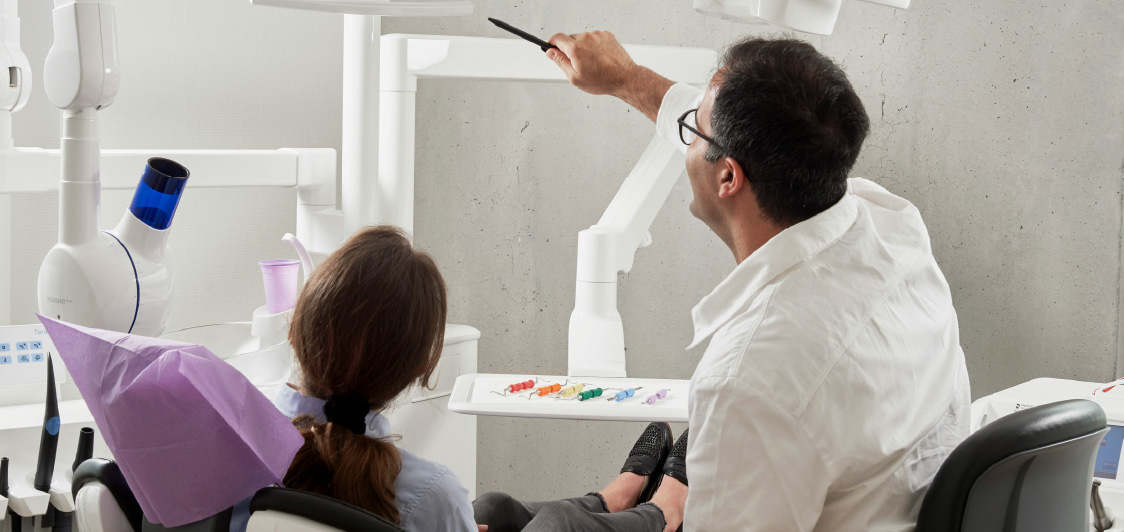
If it's been a while since your last visit, you're not alone, and it's never too late to get back on track. Dr Rita Lai and the team at Soul Dental see this pattern regularly, and our approach is always to talk through your options clearly, without pressure, so you understand exactly what's happening with your teeth and why a particular treatment is recommended.

Dr Rita Lai and the team talk through your options clearly, without pressure.
A Judgement-Free Way Back to the Dentist
Whether you need a general check-up, have a nagging concern about an old filling, or think you might already need a dental crown, the best next step is simply having a look. Our team at Soul Dental in Varsity Lakes is here to make that first conversation easy and pressure-free. If you've been putting off the dentist, we'd love to help you take that first small step back — book a consultation with us today and let's find out exactly where your smile stands.
Pain is usually a late-stage signal rather than an early warning, so the absence of pain doesn't mean everything is fine. Sensitivity to hot or cold, a visible crack or chip, or simply not remembering your last check-up are all good reasons to book an appointment sooner rather than later.
Generally, yes. The longer treatment is delayed, the more extensive it tends to become — a simple filling can escalate into a crown, or in some cases root canal therapy, meaning more appointments, more cost, and more of your natural tooth lost along the way.
Not necessarily. It depends on how much healthy tooth structure remains. A crown is usually recommended when there isn't enough structure left to support a simple filling. Catching a cracked filling early at a routine check-up gives the best chance of a simpler, less costly fix.
No. Putting off a dental visit is one of the most common and understandable things patients do. Dr Rita Lai and the team at Soul Dental talk through your options clearly and without pressure, so you understand exactly what's happening with your teeth and what to do next.
It's never too late to get back on track
Book a judgement-free check-up with Dr. Rita and the team at Soul Dental, Varsity Lakes.